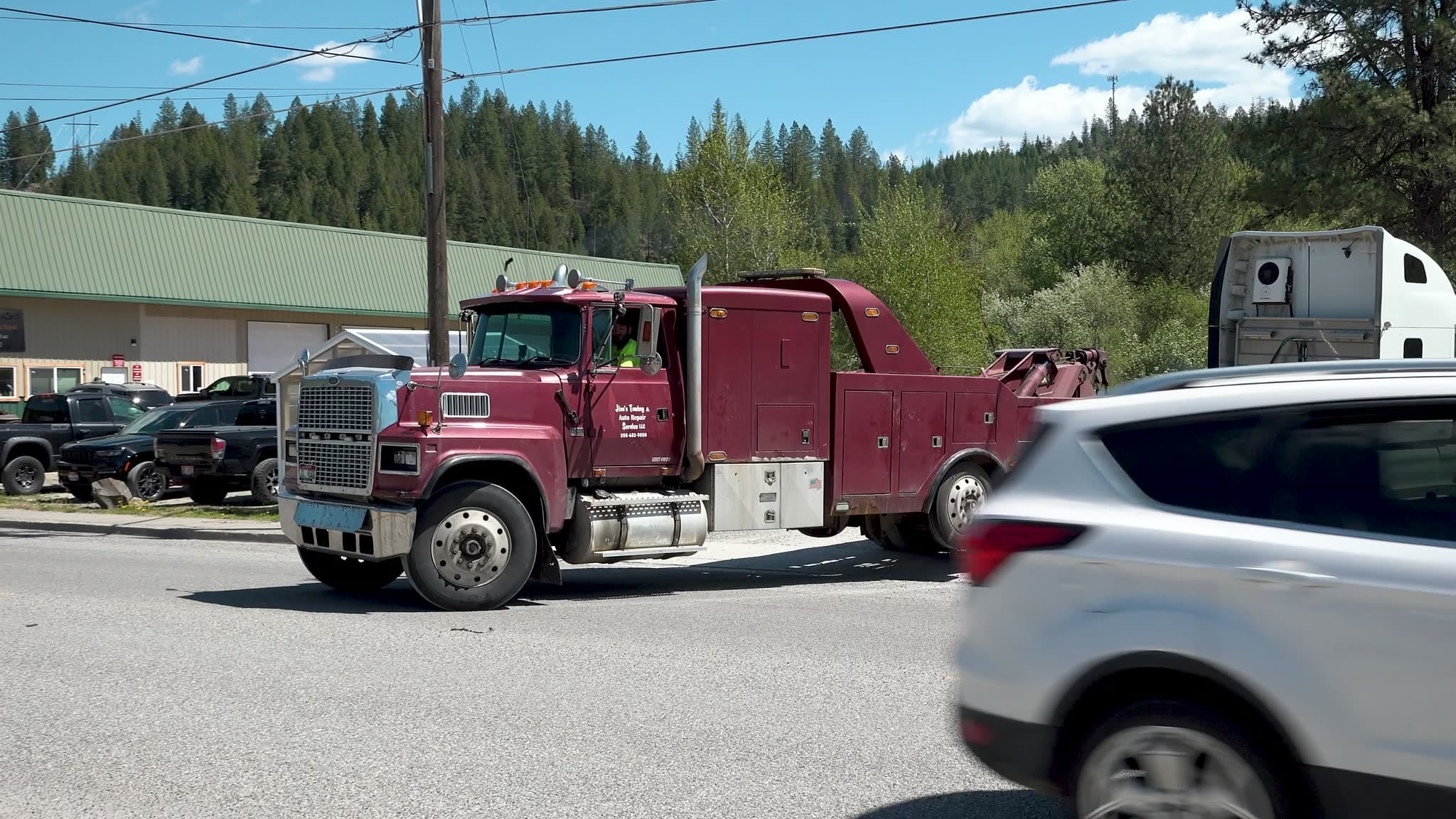
Stopped equipment. One direct call.
When a commercial truck or trailer is down, start by calling dispatch. Share the location and symptoms so Rapid Response can assess the right next move.
Start with the symptom—not a guess.
Describe what the equipment is doing and what changed before the stop. That information helps frame the roadside assessment.
View every service- Engine and drivability concerns
- Starting, charging, and electrical faults
- Trailer and running-gear issues
- Tire, wheel-end, and suspension concerns
- Truck systems and mobile repair needs
- Unexpected warning lights or loss of function
Four details that make the first conversation clearer.
You do not need a diagnosis. A clear description of the situation is enough to begin.
- 01
Your exact location
Share a highway, mile marker, exit, nearby business, or a map pin when possible.
- 02
Your equipment
Tell us the truck or trailer type and any useful make, model, or unit details.
- 03
What happened
Describe the symptoms, warning lights, sounds, leaks, or visible damage you noticed.
- 04
Your current position
Let us know whether the equipment is off the roadway and if there are immediate hazards nearby.
Protect people before equipment.
If conditions allow, get away from moving traffic, use hazard lights and warning devices, and avoid attempting roadside work in an unsafe position. Tell dispatch about traffic, leaks, fire, or other immediate hazards. For an active emergency, contact emergency services first.
Simple from the first call.
- 01
Call dispatch
Connect directly and share the breakdown details that matter most.
- 02
Assess the situation
The equipment, symptoms, location, and access conditions help shape the service plan.
- 03
Make the next move
Roadside repair can begin when appropriate, or the shop path can be discussed when that better fits the work.
Ready when the road interrupts the plan.
Call with your location, equipment details, and the symptoms you can see or hear.